

Great Artists in Classical Conversations Fine Arts: Weeks 13–18
In our community, we use short, engaging lessons and hands-on projects to make art history fun and memorable. Each week we learn about one artist, look closely at a few of their famous works, and then create something inspired by that artist’s style.
Read along to see how our Great Artists time works in community, what we do each week, and a few simple ways you can dive deeper at home too!

This post contains affiliate links, which means I make a small commission at no extra cost to you. See my full disclosure here.
Are you new to the Classical model and want to know more about it? Keep reading below about how it’s organized, the cycle rotation, and the different aspects of fine arts in the curriculum.
If you already know about the Classical homeschooling model and you are ready to jump to the Great Artists plans and activities, click here.
A Classical model of homeschooling
We are part of a Christ-centered homeschool program that follows the Classical model. The younger children, ages 4-12, focus on a memorization-based curriculum which acts as the groundwork of learning that is built upon in later years.
Children and their parents learn key facts across the core subject areas including history, science, English, mathematics, geography, and Latin. Tutors use fun activities, games, songs, and lots of energy to introduce the new material. The parents can then expand on that material at home throughout the week.
Cycle rotation
The material is divided into three cycles, which each last one year. The cycles continue to rotate every three years, so most children who start when they are kindergarten age, complete each cycle at least twice. This allows them to develop a deeper comprehension and grasp of the material through repetition.
Fine Arts
Fine Arts is an important part of the Classical curriculum that is focused on each Cycle. Every six weeks students focus on a different aspect of fine arts, allowing them to explore a variety of artistic disciplines throughout the year. The first six weeks are dedicated to drawing, where students learn basic skills that build confidence and encourage observation. The next six weeks focus on the tin whistle, providing an introduction to music theory and practice. Beginning second semester, the curriculum shifts to great artists, where students study famous works and techniques, deepening their appreciation for art history. Finally, the last six weeks are devoted to composers and orchestra, giving students a glimpse into the world of classical music.
Following is how our community teaches about great artists during weeks 13-18. You may use these ideas if you are also in a Classical homeschooling community, or if you’re a parent who is looking for art ideas to use at home.
Also, you don’t have to be part of any particular Classical homeschooling group to use these ideas! These activities are meant to help children learn the basics about great artists and art styles. Whether you’re a homeschooling parent or simply looking for a gentle way to introduce art at home, these ideas will be helpful for you.
Community group time
Our homeschooling community has been meeting on Tuesdays. Our leader starts off the morning with everyone together in a big group setting. She typically begins that time with a devotional reading and prayer, and then continues with some announcements, celebrating birthdays, the pledge of allegiance, and anything else she wants to cover with everyone.
After this time, we split off into our different groups based on age. The tutors lead their groups into different classrooms and begin the New Grammar part of the day. This is when the tutor introduces the memory work for each core subject. Check out my post and video about how to make your own tutor board!
After this is when we usually focus on fine arts and do a science experiment. Sometimes we do this altogether as a whole community, and sometimes we stay in our smaller groups. During the six weeks that we focus on great artists, we stay together as a whole community.
Fine Arts Weeks 13–18 Great Artists
We study Great Artists during Fine Arts in Weeks 13–18 each cycle. The goal is not to turn our kids into professional artists. It’s simply to help them recognize famous artists, notice different styles, and enjoy creating something with their own hands.
In our community, tutors switch off teaching each week. The tutor introduces the artist, shows a few well-known works, and then guides the children in a simple project inspired by that artist.
Great Artists by Cycle
Here are the artists studied during Great Artists weeks in each cycle:
Cycle 1 Great Artists Weeks 13–18 (Renaissance and Post-Renaissance)
- Giotto
- Ghiberti
- Fra Angelico
- Dürer
- Michelangelo
- El Greco
Cycle 2 Great Artists Weeks 13–18 (Baroque and Impressionism)
- Rembrandt
- Gainsborough
- Degas
- Monet
- Morisot
- Van Gogh
Cycle 3 Great Artists Weeks 13–18 (American and Modern Art)
- Grandma Moses
- Picasso
- Georgia O’Keeffe
- Rockwell
- Wyeth
- Lichtenstein
How we teach an artist each week
Each week, the teaching tutor prepares a simple poster board display. This makes the lesson feel special and helps the children focus.
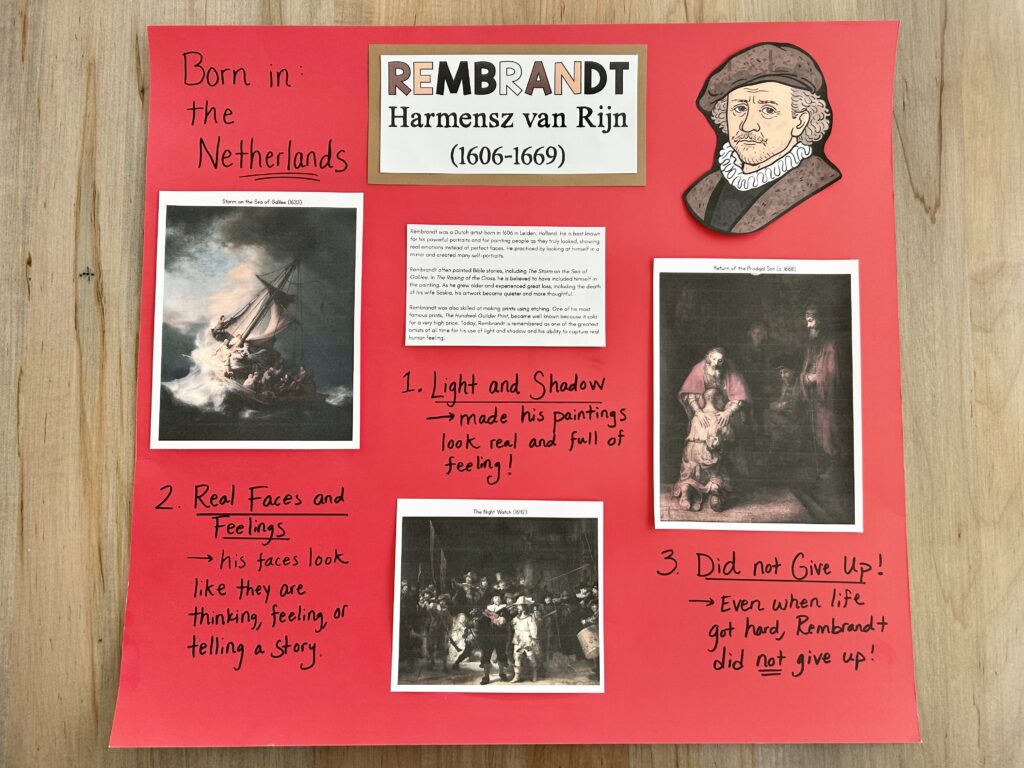
Here’s what we include on our poster board:
- A few printed images of the artist’s famous works
- A short biography (kid-friendly and easy for tutors to read aloud)
- Three key takeaways that help the children remember what makes this artist unique
When I’m tutoring, I like to keep the lesson short and engaging. I point to the artwork as I talk, ask the kids a few questions (“What colors do you notice?” “What shapes do you see?”), and then we move into creating our own art.
Three key takeaways for kids
One thing that helps the kids remember each artist is giving them just a few simple points to hold onto.
Each week we share three things like:
- What the artist was known for
- What style or technique makes their art stand out
- A simple “clue” to recognize their work later
These don’t have to be complicated. The goal is just to give children a few hooks so the artist becomes familiar.
The art project
After the short lesson, the children get time to create. This is often their favorite part of Fine Arts, and it’s where everything really comes together.
Most weeks, our art projects are:
- Simple enough for young children (even preschoolers)
- Guided step-by-step
- Focused on one technique (like shading, impressionist brush strokes, or bold outlines)
- Easy to finish within community time
When I’m looking for inspiration for art projects to use with our group, I love the ideas shared on Inside the Lines. It’s a wonderful resource with creative, approachable projects that work especially well in a community setting.
Even when all the children start with the same instructions, it’s always fun to see how different each piece of art turns out. Their personalities shine through, and it’s a sweet reminder that art doesn’t have to be perfect to be meaningful.
Great Artists resources to make prep easier
To make tutoring and planning easier, I put together a set of Great Artists resources that you can use week by week.
These include:
- A simple bio for parents and tutors to use
- Public domain artwork that you can print and use on your poster board
- Three kid-friendly points to remember about each artist
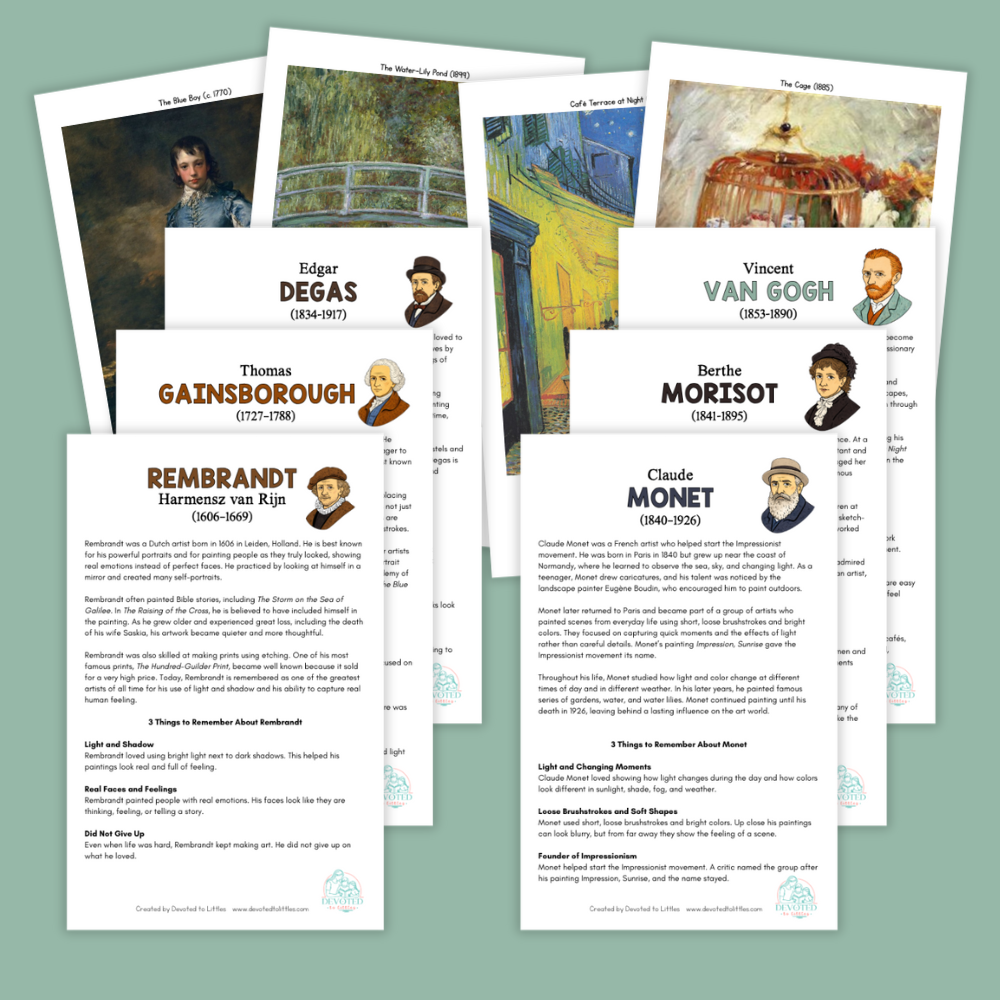
If you’re teaching in a community, I hope these resources help you prep quickly and feel confident walking into class. You can grab them for FREE here!
Great Artists mini books for home
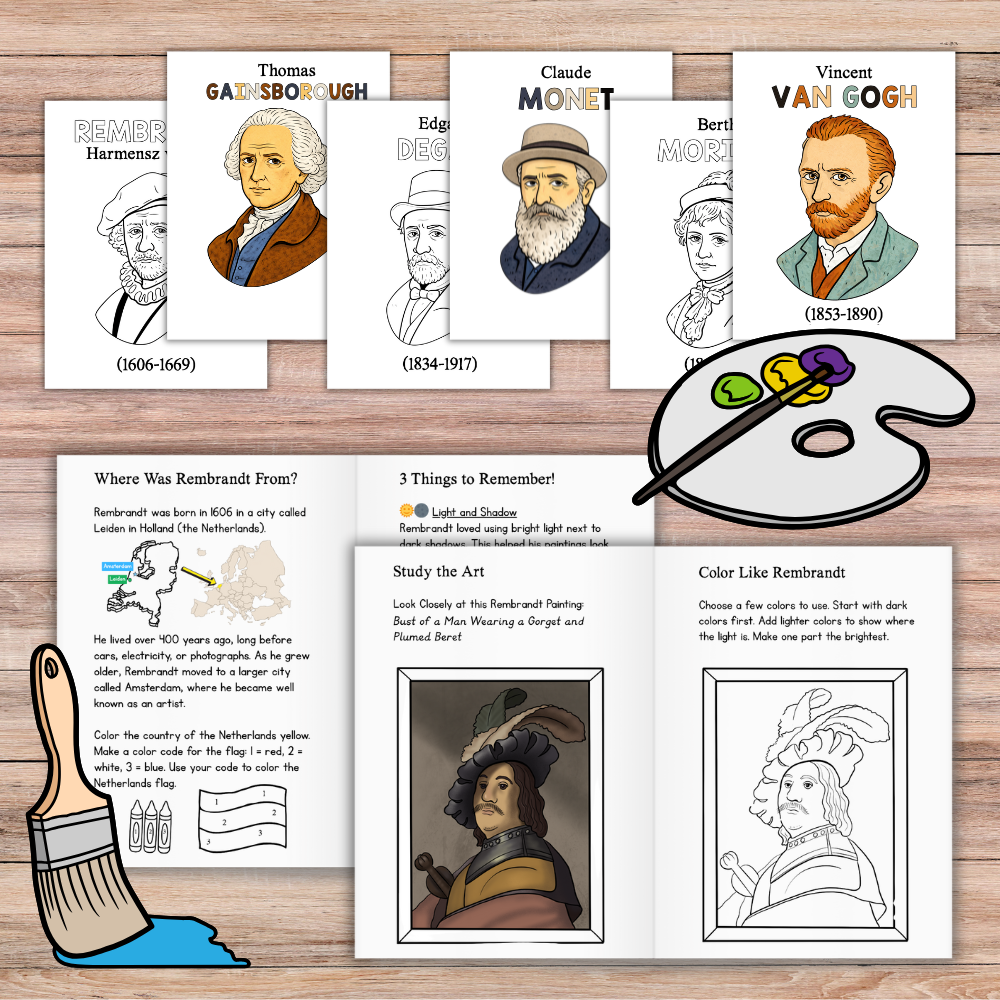
I also created a mini book for each of the six artists we study during Cycle 2. These are a wonderful way to keep learning going at home and help your kids become more familiar with each artist over time.
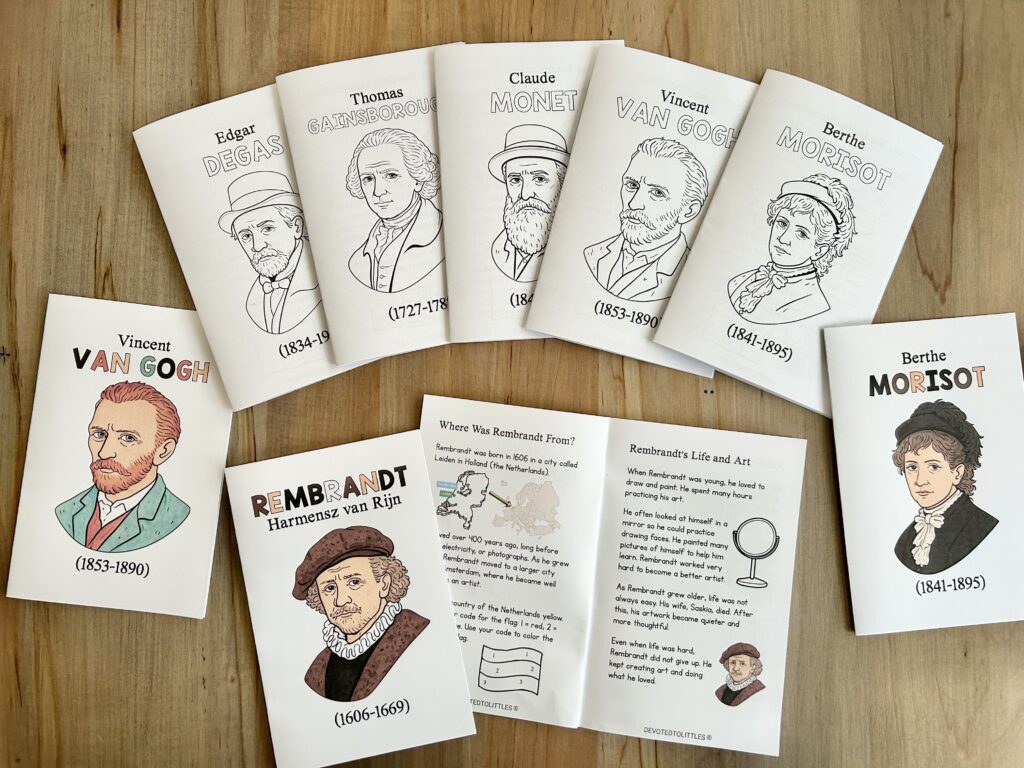
Each mini book includes 11 pages and features:
- A black-and-white image of the artist for your child to color
- Information about where the artist grew up
- A simple overview of the artist’s life and work
- Several famous works of art to study
- An introduction to the tools the artist used
- Guided activities that encourage children to create art inspired by the artist
You can find the complete set of all six Cycle 2 Great Artists mini books in my shop below. Together, they make a sweet and meaningful way to dive deeper into art history while still keeping things age-appropriate and fun.
Great Artists Showdown Game
If your kids love games, this is one of my favorite ways to keep Great Artists learning going at home. Great Artists Showdown is a fast-paced card game inspired by the classic game of War, and it helps kids learn artist facts through friendly competition.

The game includes 55 different artists from across art history—Renaissance, Baroque, Impressionist, American, and Modern—so it’s a fun review no matter which cycle your family is in. For Classical Conversations families, it includes artists from all three cycles.

Players roll a category die each round and compare facts like birth year, age at death, art movement, nationality, and subject or technique. It’s simple enough for kids to jump into, but it naturally sparks great conversations as you play (“Ohhh, so that’s what Impressionism means!”).
This game is great for a quick afternoon activity, a Friday family game, or even as a review option during the Great Artists weeks. If you’d like to check it out, you can find Great Artists Showdown in my shop below.

Great Artists Memory Game
I also created the Great Artists Memory Game as a fun way to learn about these great artists at home. This printable game features 55 famous artists from across art history, and children practice matching artist portraits with one of their well-known works of art.

There are three flexible ways to play, making it easy to adapt for different ages and learning styles. It works just as well as a traditional memory game as it does for simple matching or quick recognition practice. The cards can also be used as a standalone learning resource for gentle art study and artist recognition.
This game is a great option for Fine Arts weeks, family game time, or ongoing art history review. It includes artists from all three Classical Conversations cycles, so it can be used year after year. If you’d like to check it out, you can find Great Artists Memory in my shop below.

Great Picture Books about these Great Artists
Picture books are a fun and gentle way to teach kids about these great artists at home. Here are some of our favorite books to enjoy together:

General Art Books
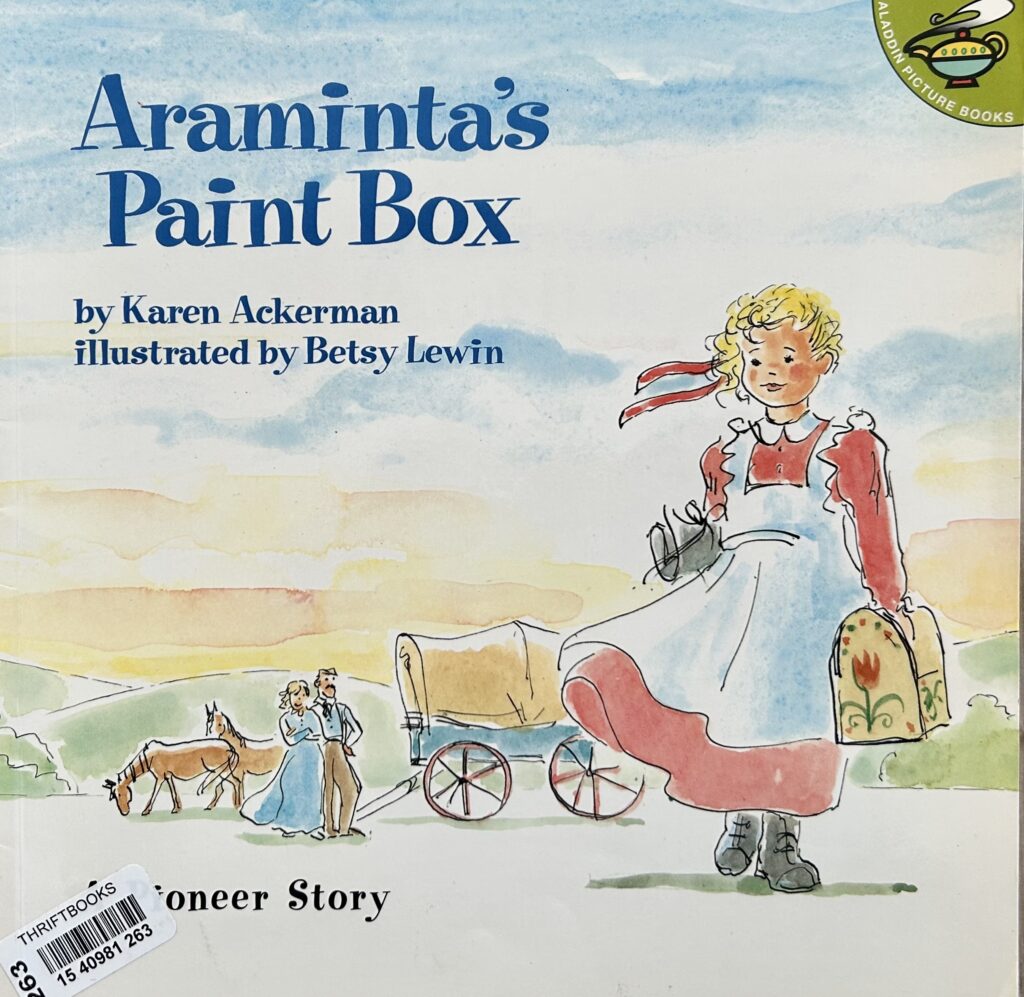
Araminta’s Paint Box by Helen Craig and Linzi Hunter.
This sweet, story introduces children to the life and tools of an artist through Araminta, a young girl who discovers her mother’s paint box. As Araminta explores colors, brushes, and creativity, kids learn how artists work and how art can tell stories in a gentle, engaging way.
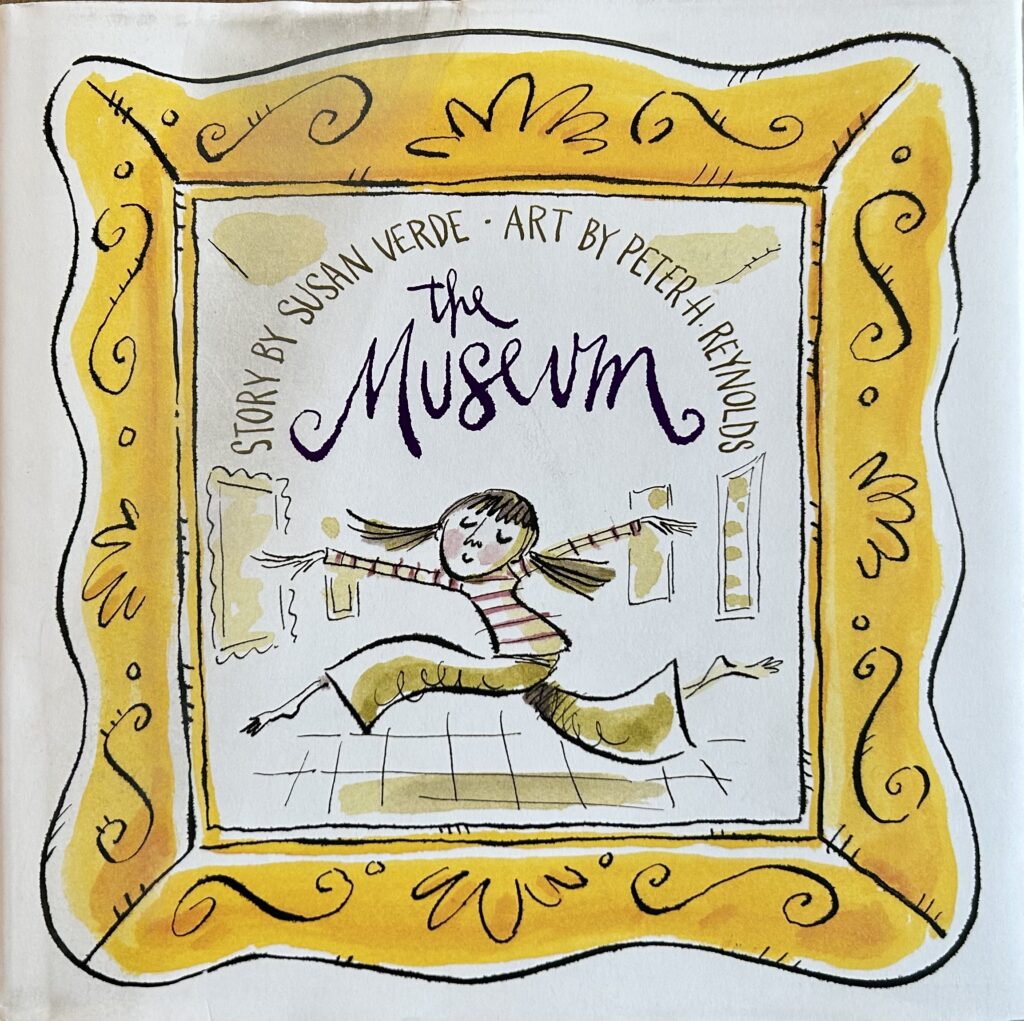
The Museum by Susan Verde.
This thoughtful and imaginative book invites children to explore an art museum through the eyes of a curious child. As she observes the artwork around her, she learns to slow down, look closely, and reflect on how art makes her feel. The story gently encourages children to notice details, ask questions, and experience art in a personal and meaningful way.
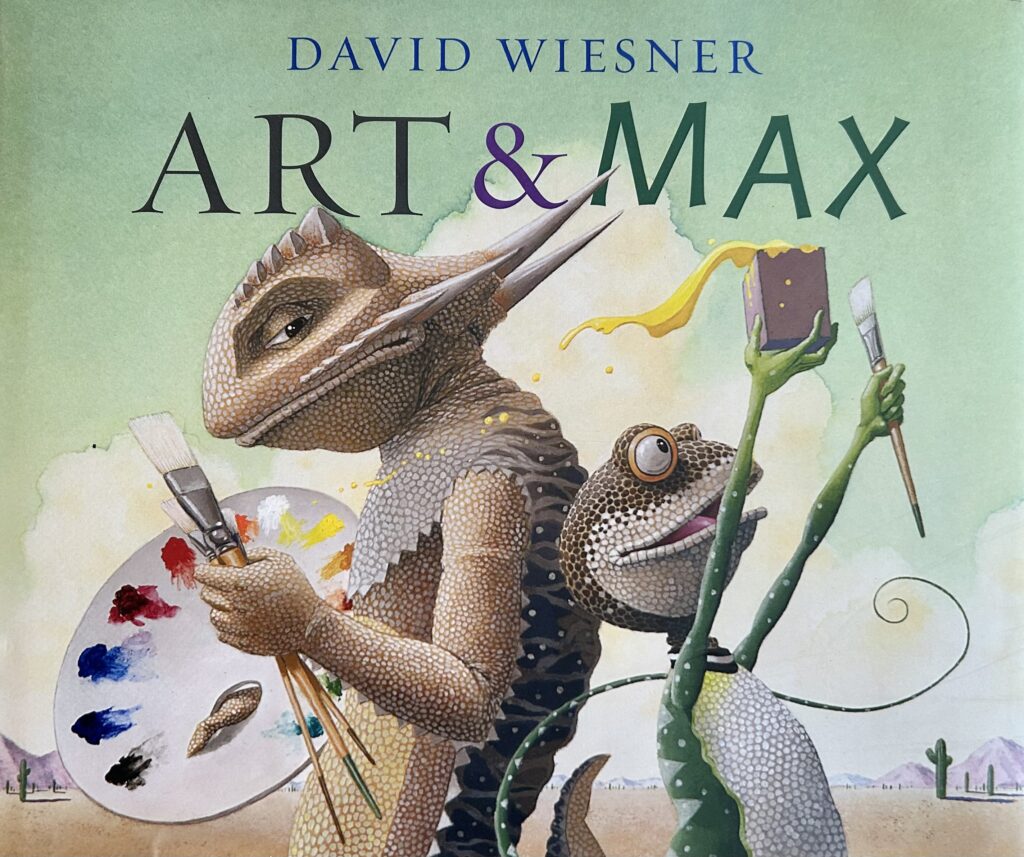
Art & Max by David Wiesner.
This playful and imaginative book introduces children to the creative process through the friendship of two lizards, one an experienced artist and the other a curious beginner. As Max experiments with art, children learn that creativity takes practice, patience, and a willingness to try again. The story encourages kids to enjoy making art, even when it doesn’t turn out exactly as planned.
Edgar Degas
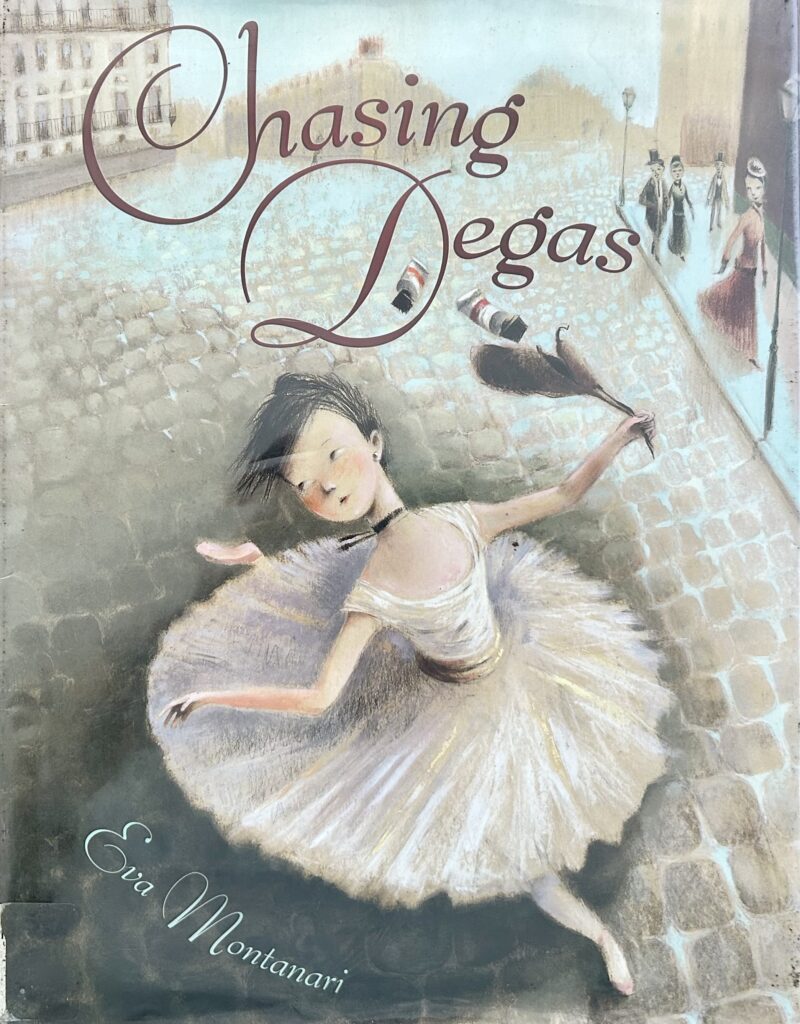
Chasing Degas by Eva Montanari.
This beautifully illustrated book introduces children to Edgar Degas through a quiet museum adventure, where a young girl follows the movement and mystery in his ballet paintings. It gently shows how Degas captured dancers in motion and helps kids learn to look closely at art and notice details.

Degas and the Little Dancer by Laurence Anholt.
This engaging picture book introduces children to Edgar Degas through the story behind his famous ballerina sculpture. It helps kids understand Degas’s love of movement, practice, and everyday moments, while showing how artists study real life to create their work.
Claude Monet
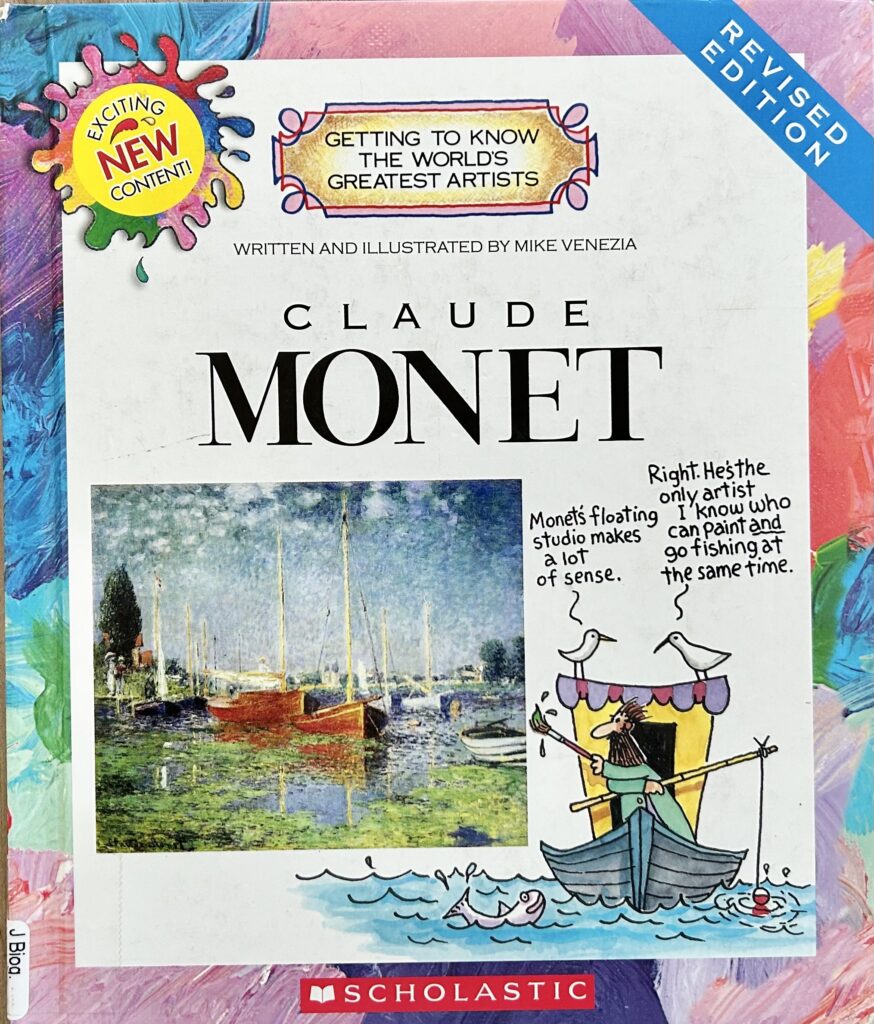
Claude Monet by Mike Venezia.
This engaging and kid-friendly book introduces children to Claude Monet’s life and art, explaining Impressionism in a clear, simple way. With bright illustrations and fun facts, it helps kids understand how Monet painted light, color, and everyday scenes.

Monet’s Cat by Lily Murray.
This charming picture book introduces children to Claude Monet through the eyes of his playful cat. It offers a warm, imaginative glimpse into the artist’s life, garden, and love of painting. Reading this story makes art history feel personal and inviting for young readers.

Monet Paints a Day by Julie Danneberg.
This gentle, beautifully illustrated story follows Claude Monet as he paints the same scene throughout a single day. It helps children understand how light, color, and time of day change what an artist sees. It offers a simple and meaningful introduction to Impressionism through storytelling.
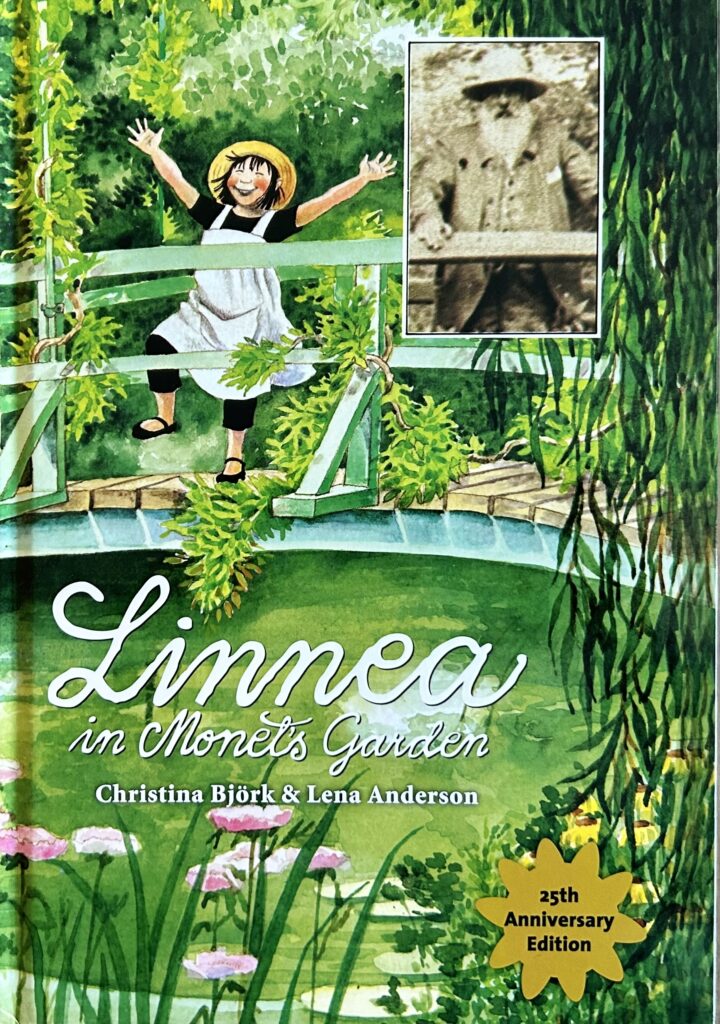
Linnea in Monet’s Garden by Christina Björk and Lena Anderson.
This charming story introduces children to Claude Monet and his famous garden through the eyes of a curious girl named Linnea. As she visits Monet’s home and gardens, children learn about his love of nature, light, and color. The book gently shows how Monet found inspiration in everyday beauty and invites kids to see the world with an artist’s eye.
Vincent van Gogh
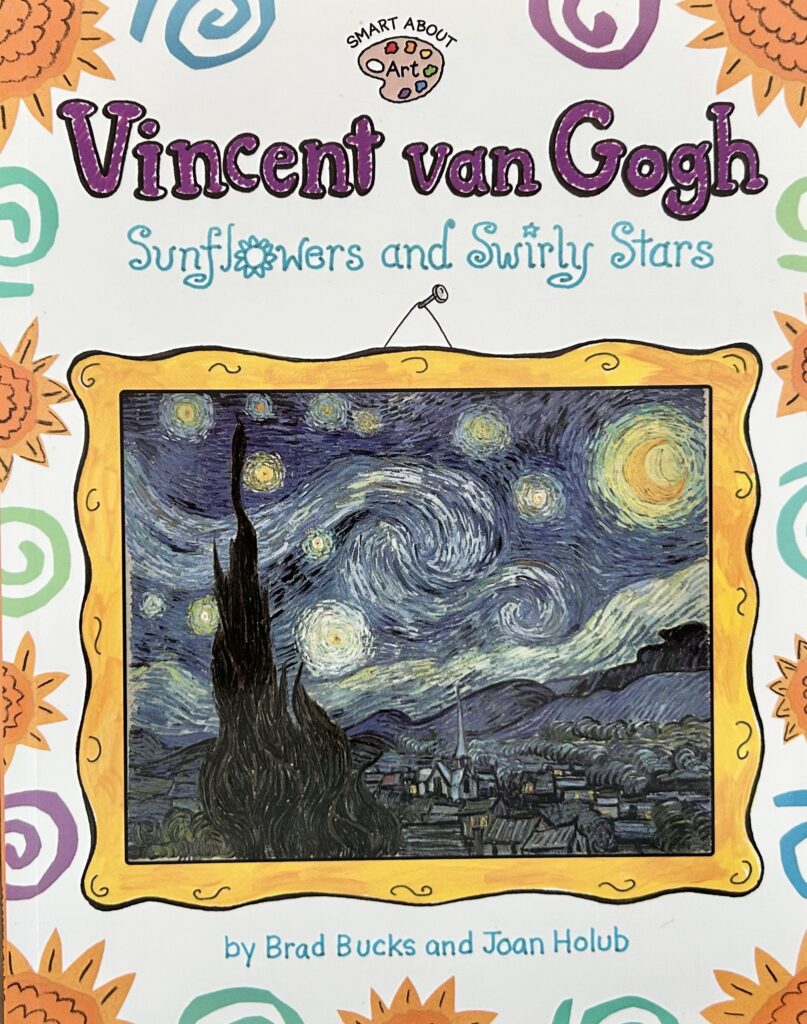
Vincent van Gogh: Sunflowers and Swirly Stars by Brad Finger.
This colorful, easy-to-understand book introduces children to Vincent van Gogh’s life and art, highlighting his bold colors, swirling brushstrokes, and expressive style. It helps kids see how van Gogh used color and movement to show his feelings in his paintings.

Vincent Can’t Sleep by Barb Rosenstock.
This thoughtful picture book introduces children to Vincent van Gogh through a quiet nighttime story. As Vincent struggles to sleep, we learn how he found inspiration in the stars, colors, and swirling skies around him. This story helps children see how feelings and imagination can shape an artist’s work.
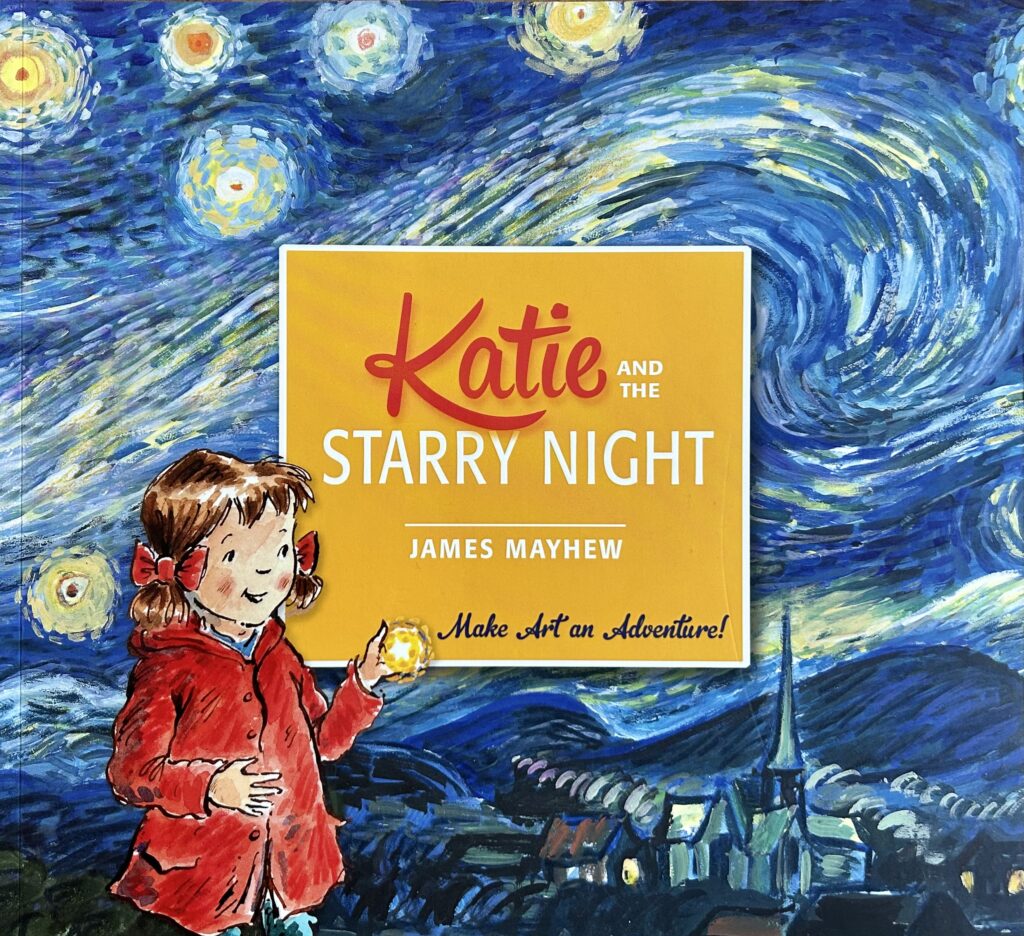
Katie and the Starry Night by James Mayhew.
This gentle, story-filled book introduces children to Vincent van Gogh through the adventures of a curious girl named Katie. As Katie steps inside famous paintings, children learn about van Gogh’s art, imagination, and love of color in a warm and engaging way. The story helps kids see paintings as places full of wonder and invites them to look closely at art with curiosity and joy.

Vincent van Gogh (Little People, BIG DREAMS) by Maria Isabel Sanchez Vegara.
This inspiring biography introduces children to Vincent van Gogh’s life in a simple, encouraging way. It shares how Vincent followed his love of art despite challenges, helping kids see the value of creativity, perseverance, and expressing what they see and feel through art.
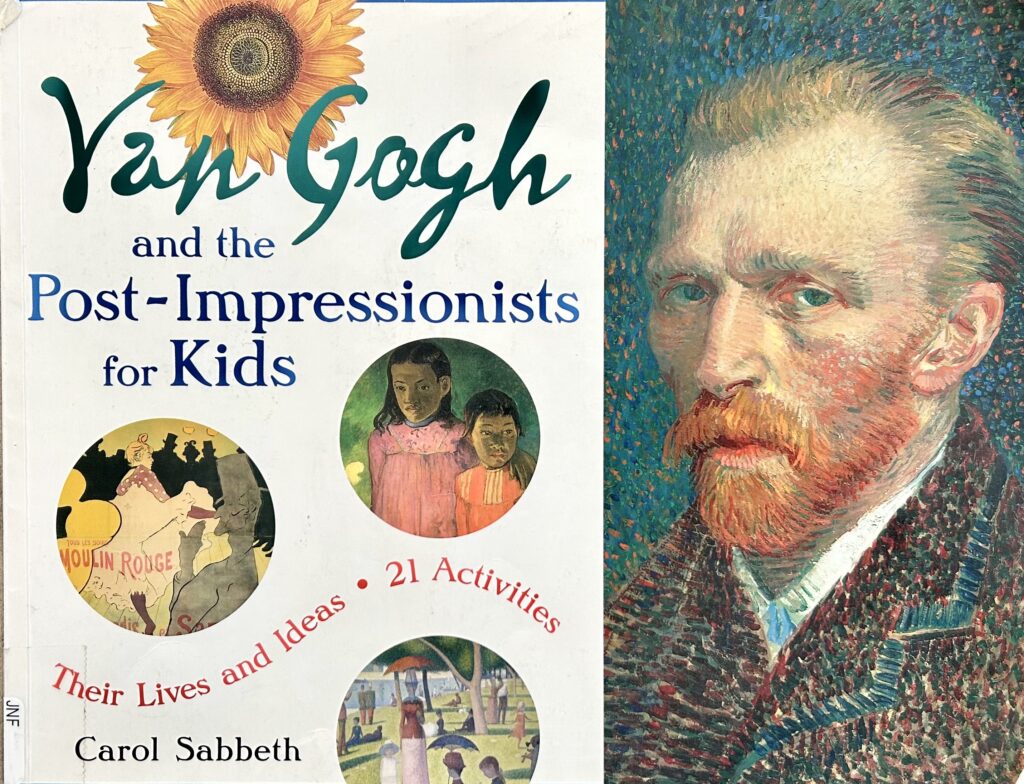
Vincent van Gogh and the Post-Impressionists for Kids by Carol Sabbeth.
This informative and approachable book introduces children to Vincent van Gogh and other Post-Impressionist artists through short biographies and colorful examples of their work. It helps kids understand how these artists used color, emotion, and new ideas to change the way art was made.
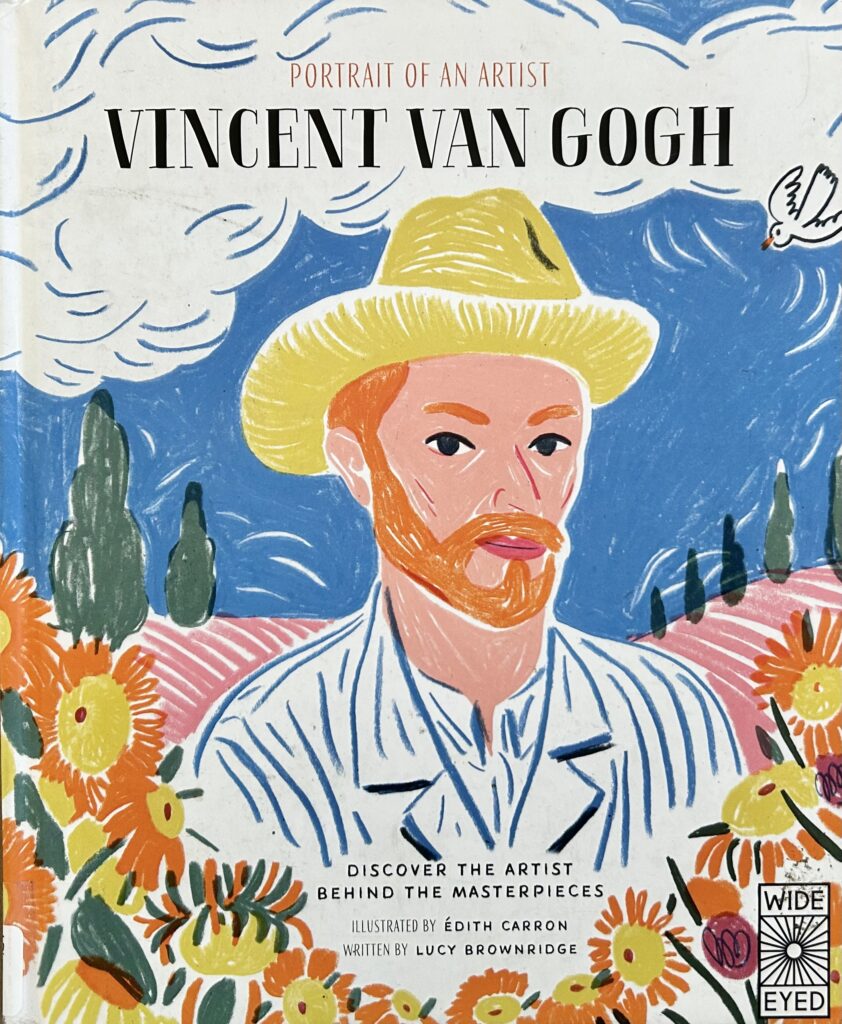
Vincent van Gogh by Lucy Brownridge.
This thoughtful, kid-friendly book introduces children to Vincent van Gogh’s life and art through clear explanations and beautiful illustrations. It helps kids understand his bold colors, expressive brushstrokes, and the emotions he shared through his paintings.
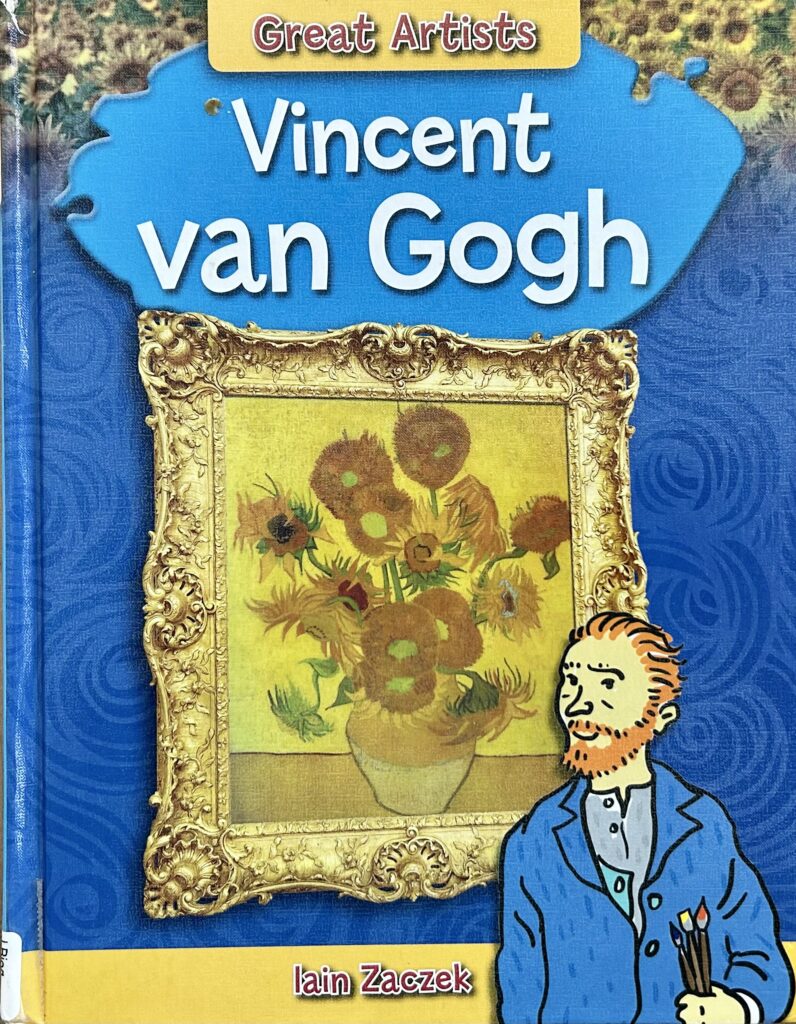
Vincent van Gogh by Iain Zaczek.
This clear, informative book introduces children to Vincent van Gogh’s life and artwork with simple explanations and strong visuals. It helps kids understand his bold use of color, expressive brushstrokes, and the ideas that made his art so unique.
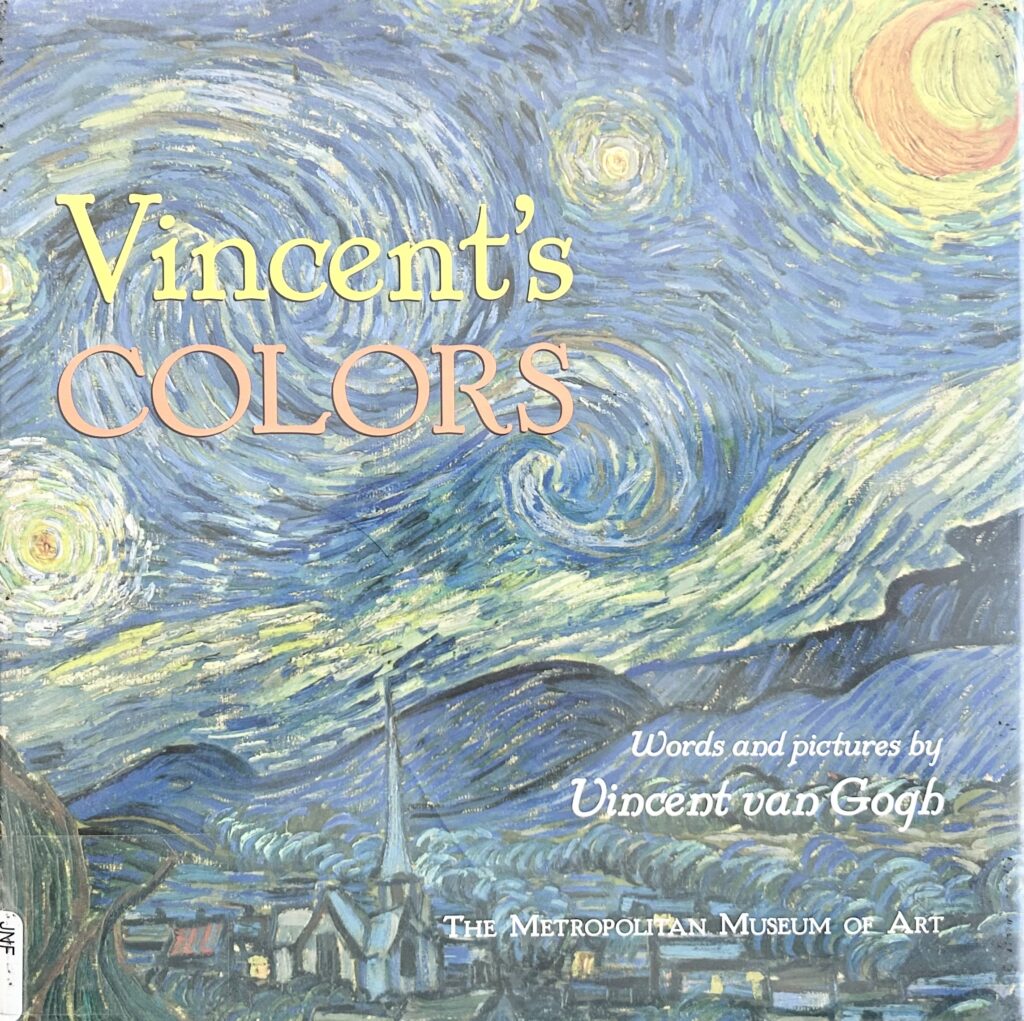
Vincent’s Colors by Vincent van Gogh.
This gentle, visually rich book introduces children to Vincent van Gogh by focusing on the colors he loved and used in his paintings. Through simple text and bold artwork, kids learn how van Gogh used color to express mood, feelings, and movement in his art.
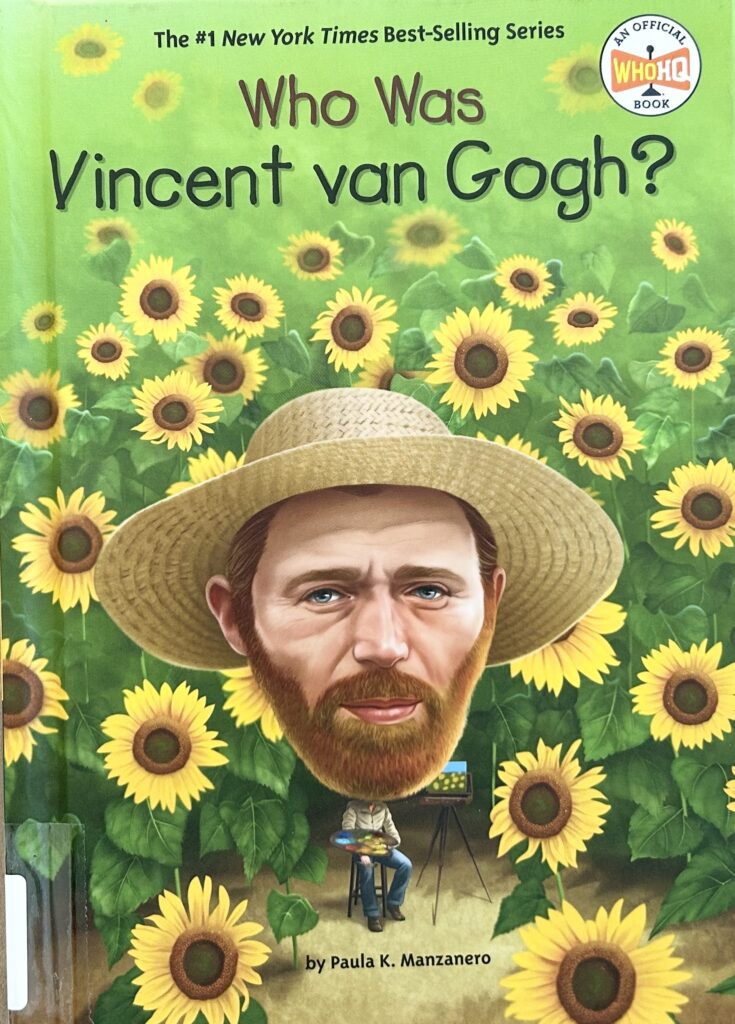
Who Was Vincent van Gogh? by Paula K. Manzanero.
This engaging, kid-friendly biography introduces children to Vincent van Gogh’s life through short chapters and illustrations. It helps kids understand his journey as an artist, his struggles, and why his artwork is so famous today.
Great Artists Bios & Famous Works
To make tutoring and planning easier, I created week-by-week Great Artists resources with a simple bio, printable public-domain artwork for poster boards, and three kid-friendly points to remember for each artist. You can get them all for FREE below!


This web site certainly has all the info I needed concerning
this subject and didn’t know who to ask.